SJC, The Brain Drain, and Study Plans for Jetro Web Development
Aug. 6, 2024
SJC, The Brain Drain, and Study Plans for Jetro Web Development
Aug. 6, 2024
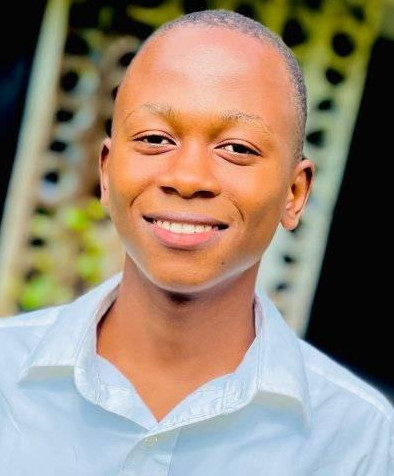
During our afternoon walk yesterday to purchase an MTN wifi router, I had the opportunity to chat with Thomas Boimah about his participation in a Hackathon sponsored by MTN's main Liberian competitor, Orange. Thomas was placed on a team with five other aspiring web developers, none of whom had met prior to the event. They were tasked with identifying a problem in the Government sector in Liberia that technology can solve. He told me his teammates won third prize. I was thrilled by this story already, since I know from years of experience as a computer science teacher how important participation in events like this is to the future success of young developers, but I was blown away when Thomas told me about his team's project - to create a web application that Liberians could use to obtain their birth certificates.
Social Justice Computing
The project that Thomas's hackathon team came up with exemplifies the essence of what I consider to be social justice computing. Finding the official documents that one needs to establish oneself as a "legal person" can be a daunting challenge. Thomas explained to me how difficult it is, especially for rural Liberians, to travel to a government office in a far away location, fill out paperwork to apply for a birth certificate, and then wait months for a response.
The promise of information technology aimed at serving the people is that it could alleviate problems like this. Sadly, the reality is that there is a serious lack of resource allocation mechanisms for projects like this. In our current global neo-liberal economic system, only "profitable" projects get funded, and the projects that generate the most profit are those involving thieving and killing. Big profits certainly do not come from helping improve the lives of poor folks. Occasionally opportunities do arise to do good with computing in the middle of all the bad being done with it. In this case, for example, Orange has a reason to promote a project like Thomas's because it would help drive increased Internet use.
I fundamentally believe we need a next system that will shift our economic focus toward serving the needs of people. We started Social Justice Computing this year just so we could be part of that effort.
It is my hope that the work we are doing with Jetro Web Development in Liberia can become a model of using ICT to improve people's lives. This would require developing an effective and sustainable business model within the context of a hostile economic system. This is no small feat and it will face incredible obstacles.
For example, during our walk yesterday Thomas mentioned his interest in entering his name in the Green Card Lottery. While Thomas has the math chops to realize that his chances of "winning" this lottery are incredibly remote, it led us into a deeper discussion beginning with the far higher chances he will have to get an H-1 B visa or otherwise manage to turn his ICT skills into an opportunity to emigrate.
Thomas is very bright and very disciplined. I have no doubt he personally has a successful future awaiting him. For Jetro Web Development, this presents a serious problem down the road, since the more effective it becomes in training its members with the high demand skills it requires, the more pressure it will experience from human capital flight.
The only way around this dilemma I can see is to find a business plan that would enable the Jetro Web cooperators to earn a comfortable living using ICT for good, bringing us straight back to the neo-liberal resource allocation problem. The next system can't come soon enough!
Study Plans for Jetro Web Development
While we are waiting for the next system to arrive, Jetro Web needs to continue its work developing its human capital. The work meetings we had yesterday about this were inspiring.
UoPeople Students
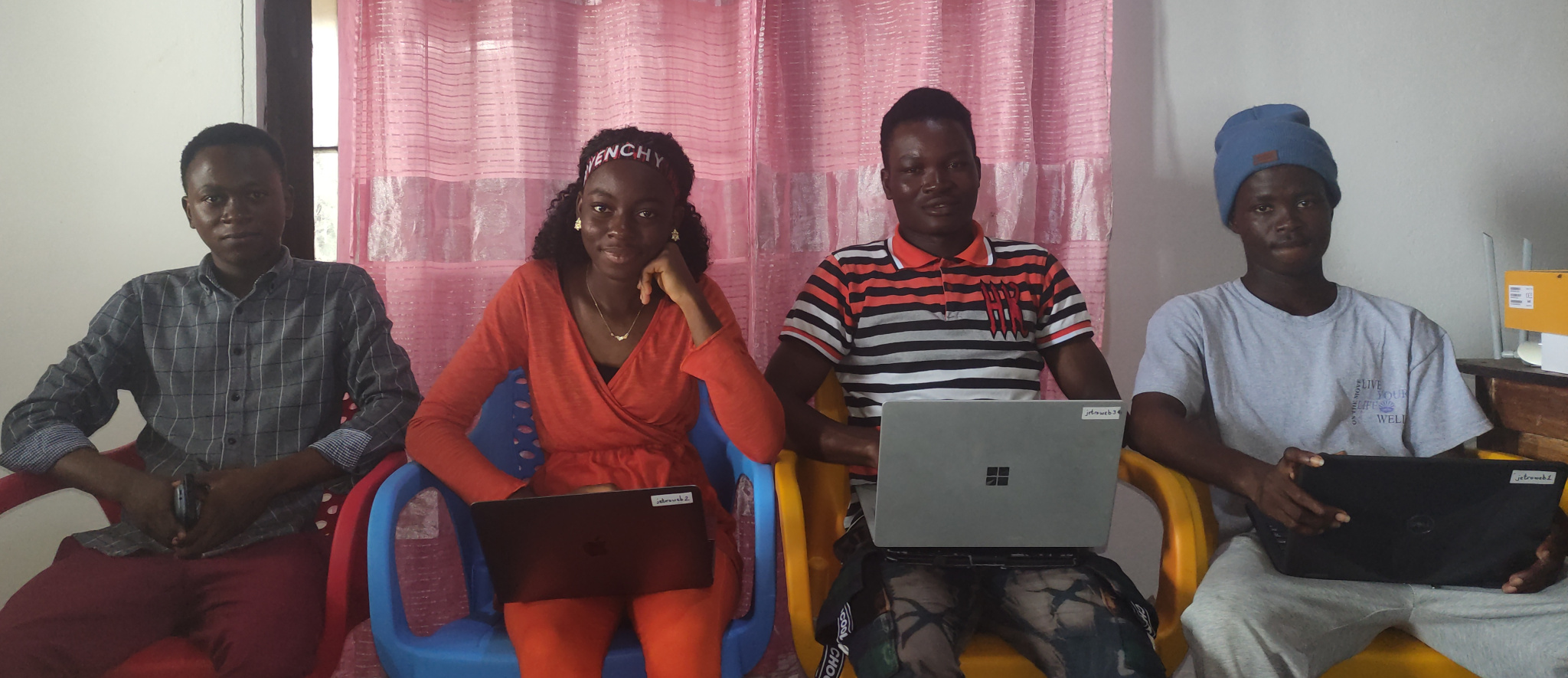
The four University of the People students, Thomas, Shallon, Daniel, and Gabriel, met and arrived at a proposal for Social Justice Computing to support their full time studies. They proposed that each student earn \$250 to cover Internet access, transportation, and food during the first six week term. Thomas acted as their spokesperson, and when I asked him when they should receive the money, he said only at the end of the term after they could show the B or better grades required. I counter proposed that since this represents the very kind of two-way trust relationships Jetro Web will need with its clients, the common practice of half before and half after seemed more appropriate to me, since they will need resources during their first term to be able to complete it. So we agreed on \$125 at the start of the term on September 5th, with the remainder only being given with a grade report showing A's or B's in each class.
Linux+

After looking at the 900+ page book I brought him to prepare for Linux+ certification, Mulbah proposed that he would require four months to prepare for it. I found this to be a very reasonable estimate, and our conversation then turned to what his "deliverables" would be during that time. I am proposing three requirements Mulbah will have to meet to earn a study stipend:
- Show up on time to brief weekly meetings with his mentor, Kevin Cole.
- Respond within two days to any emails Kevin sends him, cc'ing me on this correspondence.
- Convince Kevin that he is demonstrating enough progress to merit continuing the plan.
NOVA Web / Jetro Web Collaboration / Integration
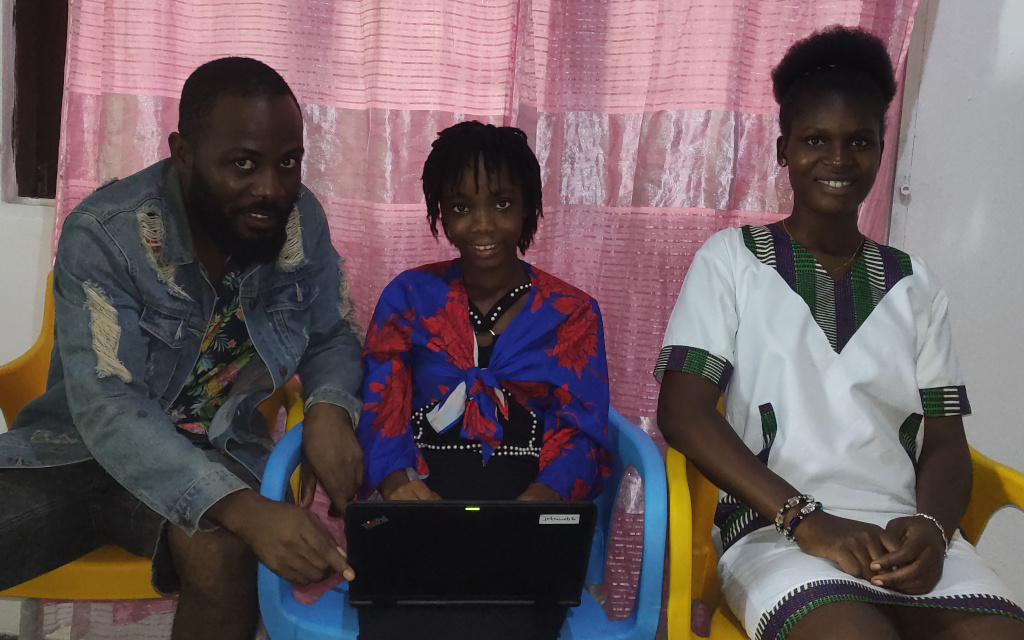
For the last three members of the co-op, Spencer, Freena, and Janet, I am proposing that they focus on working with NOVA Web Development worker / owner Kei Larios to deepen the collaboration of Jetro Web Development with NOVA Web Development, integrating our activities wherever it makes sense to do so. I'm convinced that a win-win collaboration is possible between the two web development cooperatives. As a U.S. business, NOVA Web has access to an incomparably larger base of potential customers with a lot more money to spend. Given the huge difference in GDP (PPP) per capita between the United States, which ranks 8th in the world, and Liberia, which ranks 182nd, a collaboration where NOVA Web subcontracts with Jetro Web could result in benefits for both. It could help make NOVA Web competitive in the U.S. market while offering very high earnings by Liberian standards to Jetro Web.
The concrete tasks of this group will be to help NOVA Web on client projects as soon as possible, learn to use the NOVA Web developed Business Tracker application, and help NOVA Web learn Decidim. I began talking with Spencer this morning about possible deliverable metrics, such as creating three new websites over the next two months. Details are yet to be determined, but Spencer expressed interest in resuming his study with mentor Sahnun Mohamed, and I promised to talk with Sahnun about that when I get back to Virginia.
Community Meetings
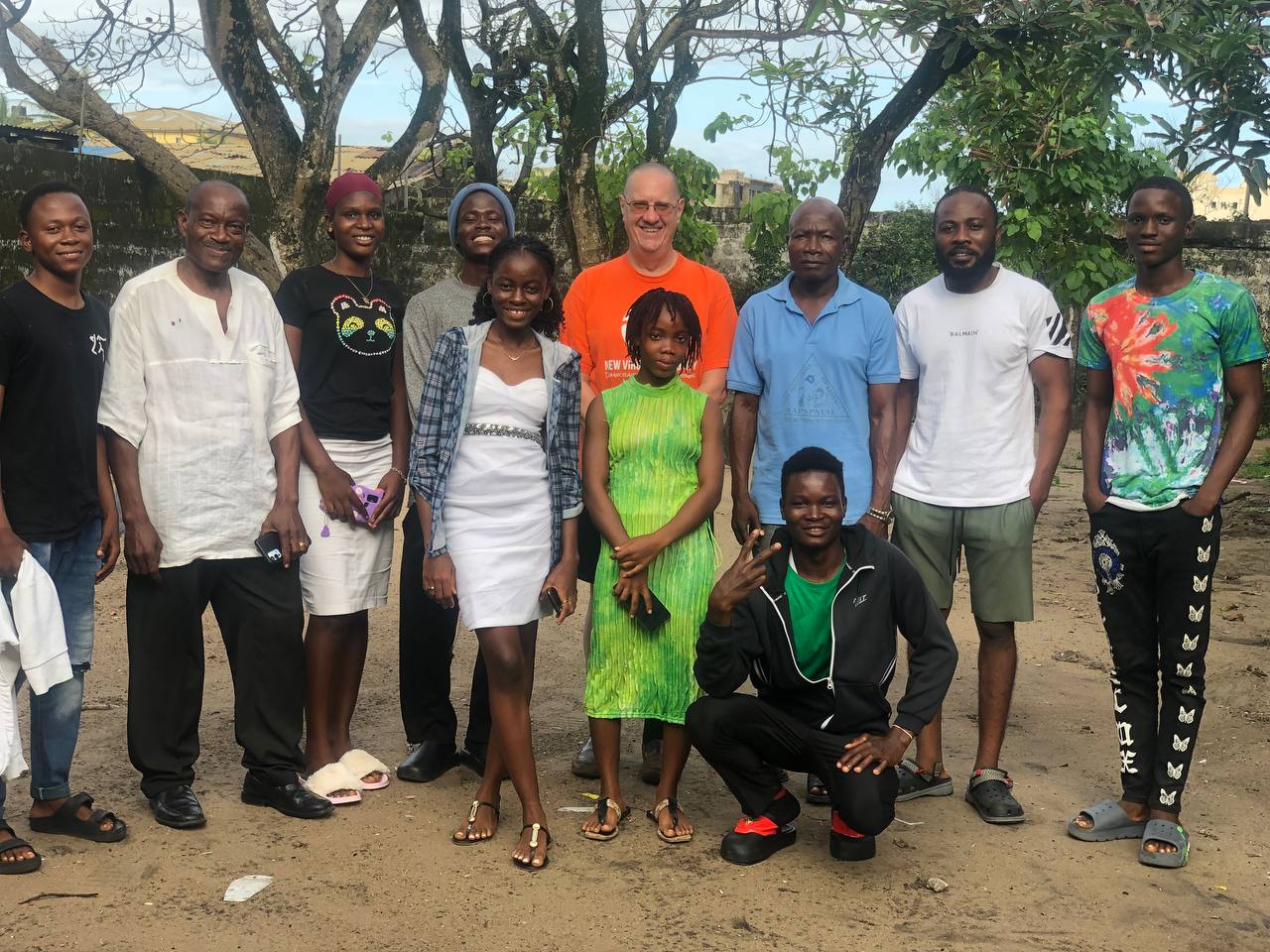
We had two meetings yesterday to talk about the possible plan to build an ICT focused school in the 24th Street community. The first was at Spencer's house with 24th Street Community Chairs Jerry Kolubah and David Duo (pictured above). They expressed unambiguous excitement for the project, and asked us a series of probing questions that only increased all of our excitement since it was clear we were basically on the same page regarding what the goals should be for the school
Later in the day all of us, including the two community chairs, met with Bishop Arthur M. Horton and Pastor Moses Gaye about the project. The Emanuel Temple Church they oversee holds the land we are hoping to use as a site for the school. I left this meeting feeling we were a long way from sharing a common vision for the school project with the church representatives. Since they have the land, and since without land we can't build a school, I concluded that we may have to abandon this project idea until we find another source of land.
More meetings are planned for later in the week, and I'll provide a better summary of this project in a later post.
In solidarity,
Jeff