Ownership and Division of Labor in the Solidarity Economy
June 30, 2026
Ownership and Division of Labor in the Solidarity Economy
June 30, 2026
The Well
From my Life Without Running Water post two days ago, it isn't hard to imagine why this well occupies such a large space in my consciousness these days. The relationship we have with this well provides us with so many teachable moments that I can't help reflecting upon it again and again.
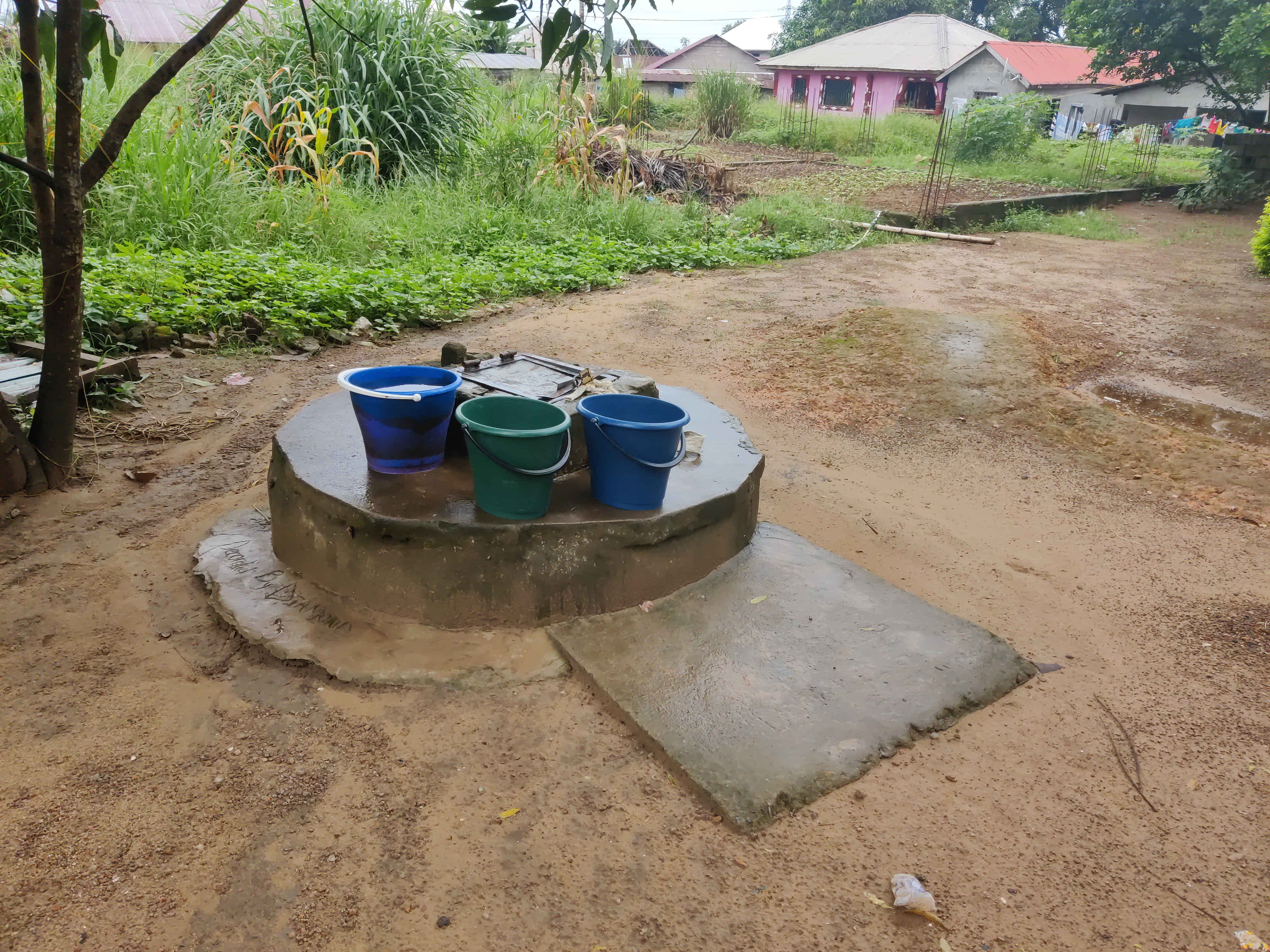
Who Owns the Well?
We in the Jetro Web office depend on it for bathing, dish washing and sanitation water, and from what Daniel tells so do our neighbors in two other apartment buildings and several other houses nearby. The well is locked, and the key is in the care of a woman who lives right next to it, though Daniels says she is not the owner of the well, only its caretaker.
Daniel doesn't know who owns the well, but he tells me that the brother of the woman with the key told him when Jetro moved in here that this was the well they were to use, and that they were to get access to it by asking her for the key. He also tells me that access is sometimes restricted, but only for a period of hours, not days. He couldn't tell me much about the rules governing access to the well. In asking him questions for this blog post, it lead us to have a conversation about the "who decides" questions regarding availability and control over critical resources like this.
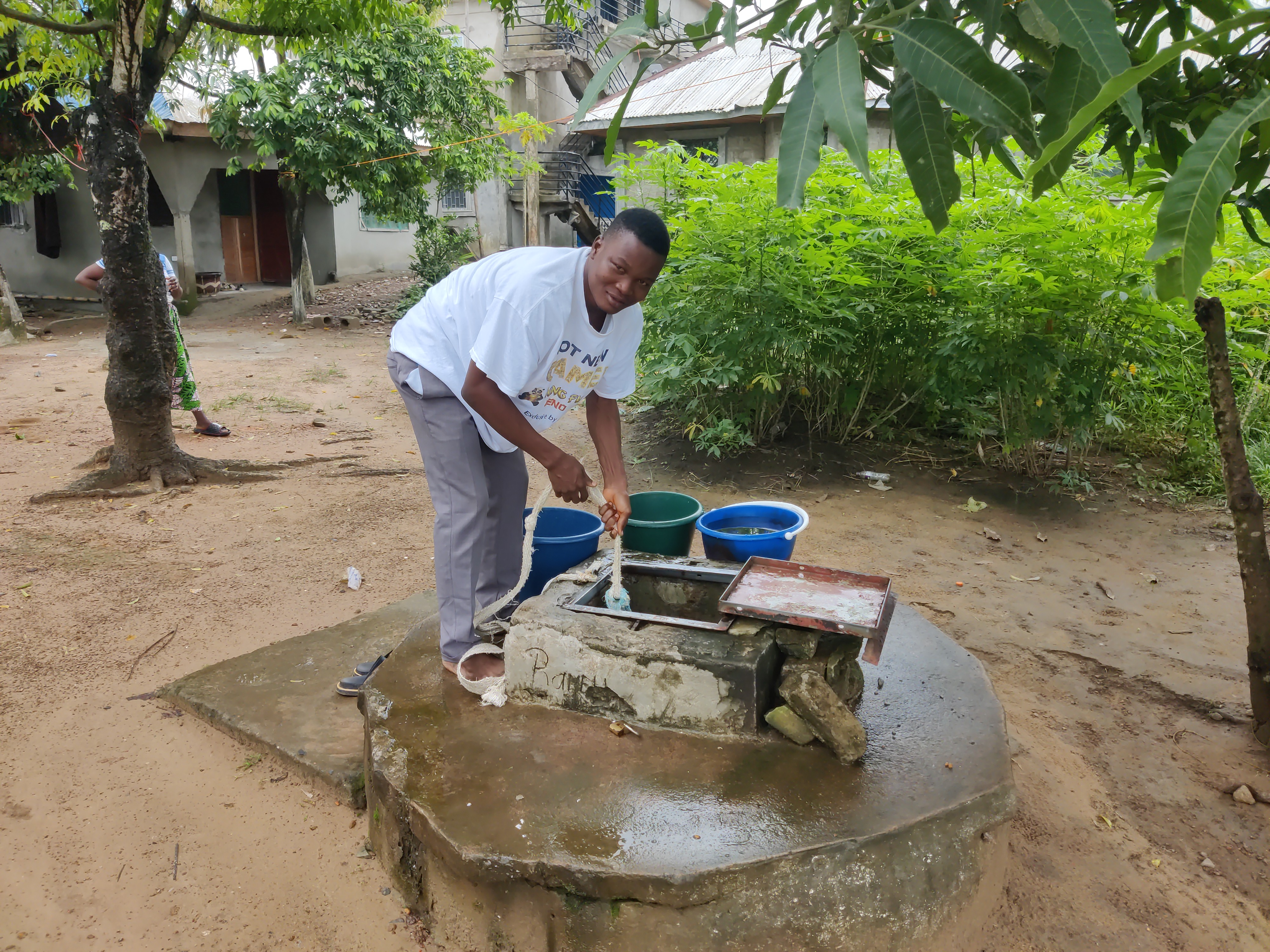
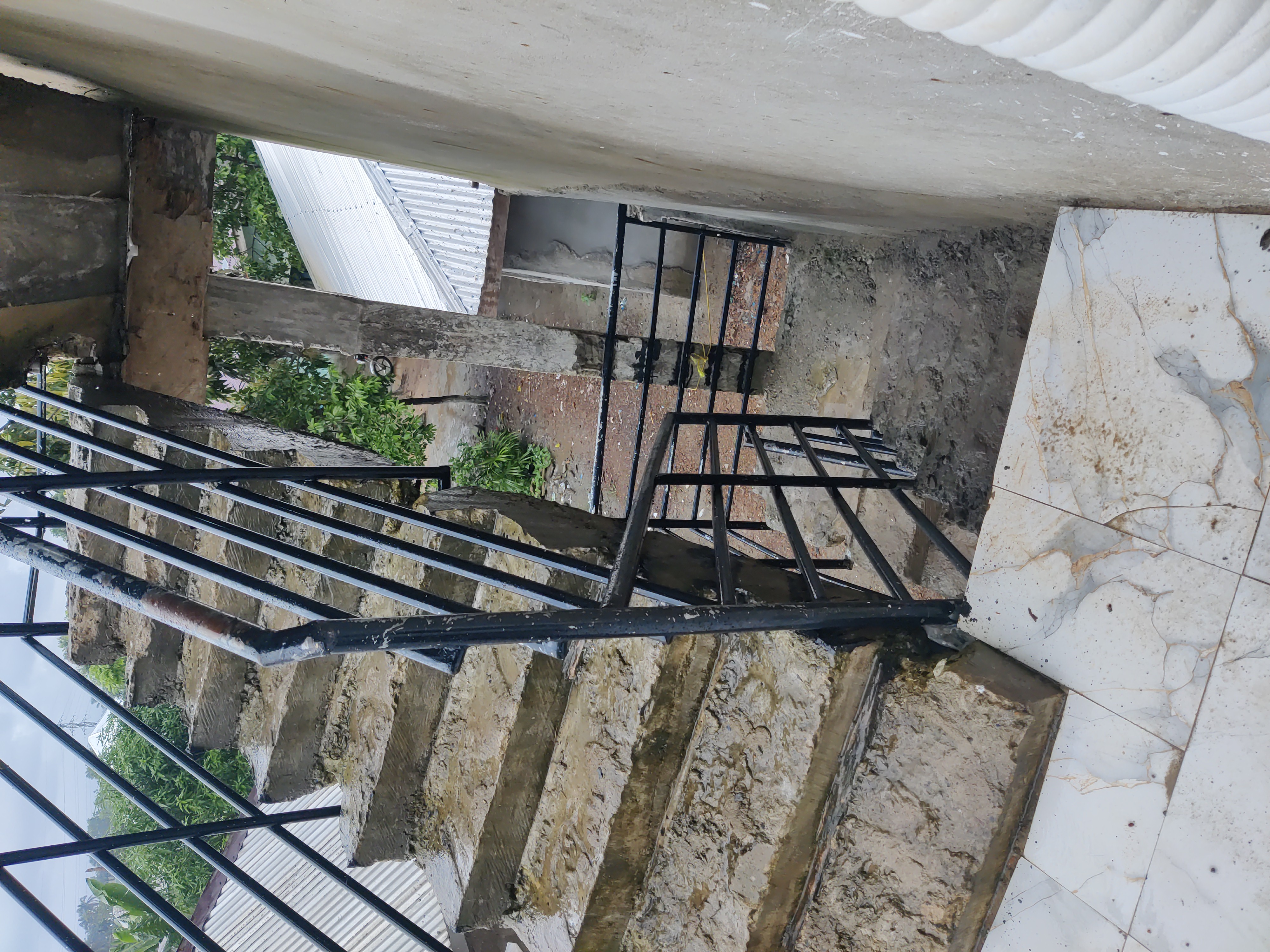
I mentioned in my previous post about my feelings of guilt at not being able to haul water from the well to fill our containers. At 65 and with bad knees I can't make the repeated trips up and down the treacherous stairs leading to our apartment to address our water needs. Daniel is accustomed to doing this for himself, but I'm sure our daily needs have more than doubled now that we have an old man with an enlarged prostate using an inordinate supply for sanitation living here.
This morning a saw a young man named Diamond hauling our, water. I asked Daniel about this, and he told me our conversation yesterday about laundry, where I suggested to him that I could possibly hire someone in the community who could use the work to do mine, rather than let him do it, gave him the idea that we should do that instead with the water hauling, which takes even more time (since it needs to be done constantly), than the weekly laundry does.
We are slowly but surely beginning to learn important lessons about economics and the solidarity economy through our daily experiences living together. It makes me so glad to be here to be able to have these conversations. I told Thomas and Daniel about how I was troubled by the contradictions in trying to nurture a solidarity economy while operating under the logic of capital. I shared with them the discussions we had on the SECOSOL board when the first worker cooperative we helped to get started, Mujeres Manos a la Obra, had become successful enough that it needed to expand its workforce, and decided to do this by hiring a worker, not recruiting a new worker-owner. Until we can create the next system we so desperately need, there will be overwhelming pressure on business owners to surrender to the logic of capital, "If we pay our worker less, we will earn more!"
I told them that my direct support for Jetro Web Development is contingent on it not exploiting other workers, and that I hoped that what we are doing together would help foster a shared culture of caring and support, the very essence of what the solidarity economy is all about. If the dream of creating a social justice computing school proceeds as we hope it will, there will be ever more concrete opportunities to learn about political economy through day to day praxis, grappling with the questions of who gets what and who decides.
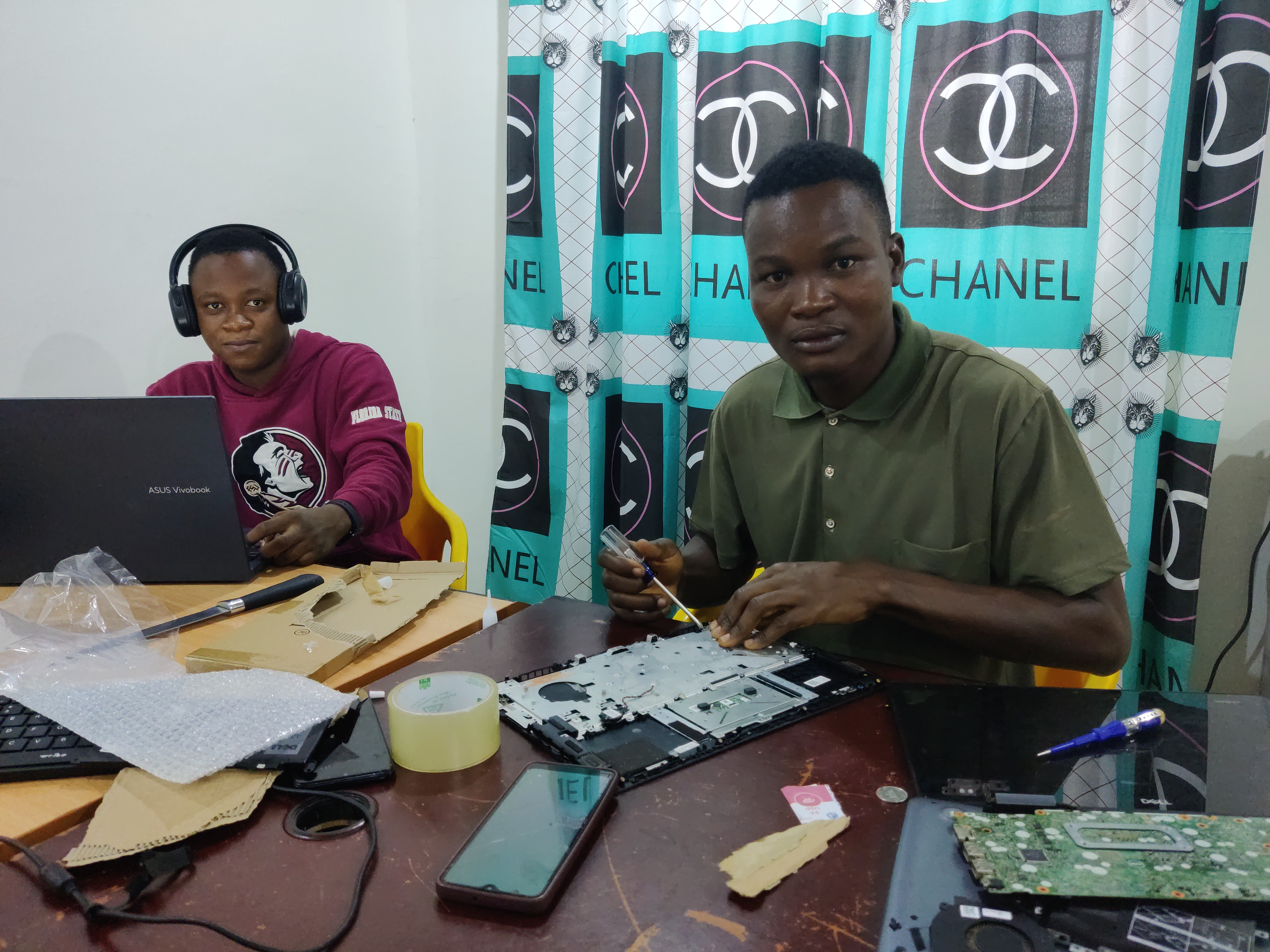
As we talked, Daniel spent the morning deep into repairing a laptop that required pretty major surgery to be repaired. This lead us to talk about the economic costs of maintaining required infrastructure, as well as the division of labor of the co-op so that these required tasks are effectively done.
At the most general level, the project of creating a solidarity economy will require us to rewrite the economic rules of the game that we all play together each and every day in our social reproductive activities.
As Marx says on page 192 of Grundrisse, "Society does not consist of individuals, but expresses the sum of interrelations, the relations within which these individuals stand." Outside of society, there are no slaves, nor are there any citizens. It is only in and through society that slaves and citizens exist.
If small, solidarity economy oriented businesses like the worker cooperatives Jetro Web Development, NOVA Web Development, and Mujeres Manos a la Obra are going to not only survive as businesses under capitalism, but to develop together new forms of social relations that serve all humanity, they will need to quickly find themselves connected to a solidarity economy ecosystem that can provide the economic (markets) and social (services and training) supports they need.
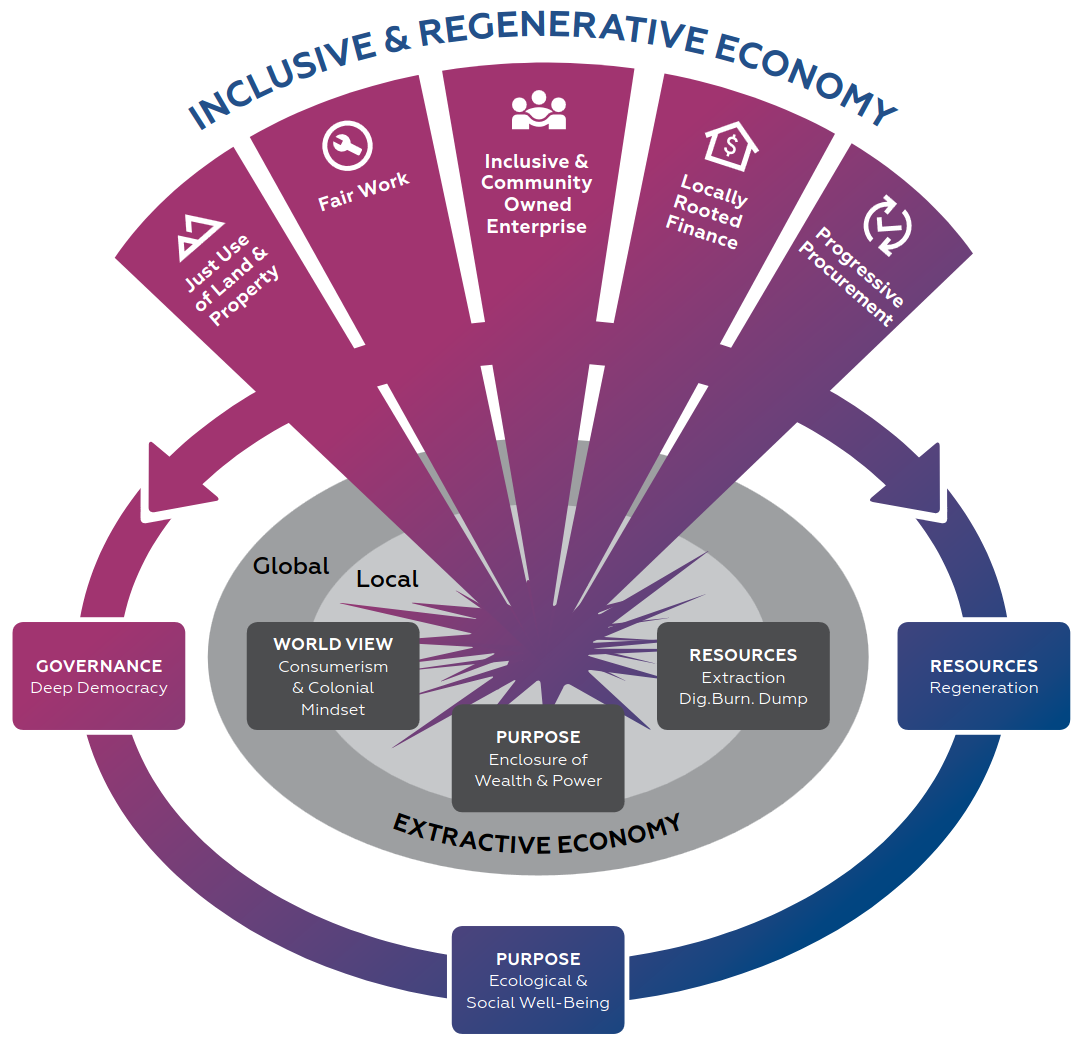
Ownership Matters, from whose website the diagram above was taken, is one of an increasing number of solidarity economy organizations that are growing among us in direct response to the now rapid decay of our neoliberal, hegemonic world order. While none of these organizations that I have encountered can yet provide the needed social supports for small, struggling, local organizations like the several with which I am involved, they do appear to be on a trajectory toward being able to do so.
I hope they get there in time to help us stay afloat.