A "Conversation" with Deepseek on Liberian Legal Entities
July 4, 2026
A "Conversation" with Deepseek on Liberian Legal Entities
July 4, 2026
Jetro Web Development Business Meeting
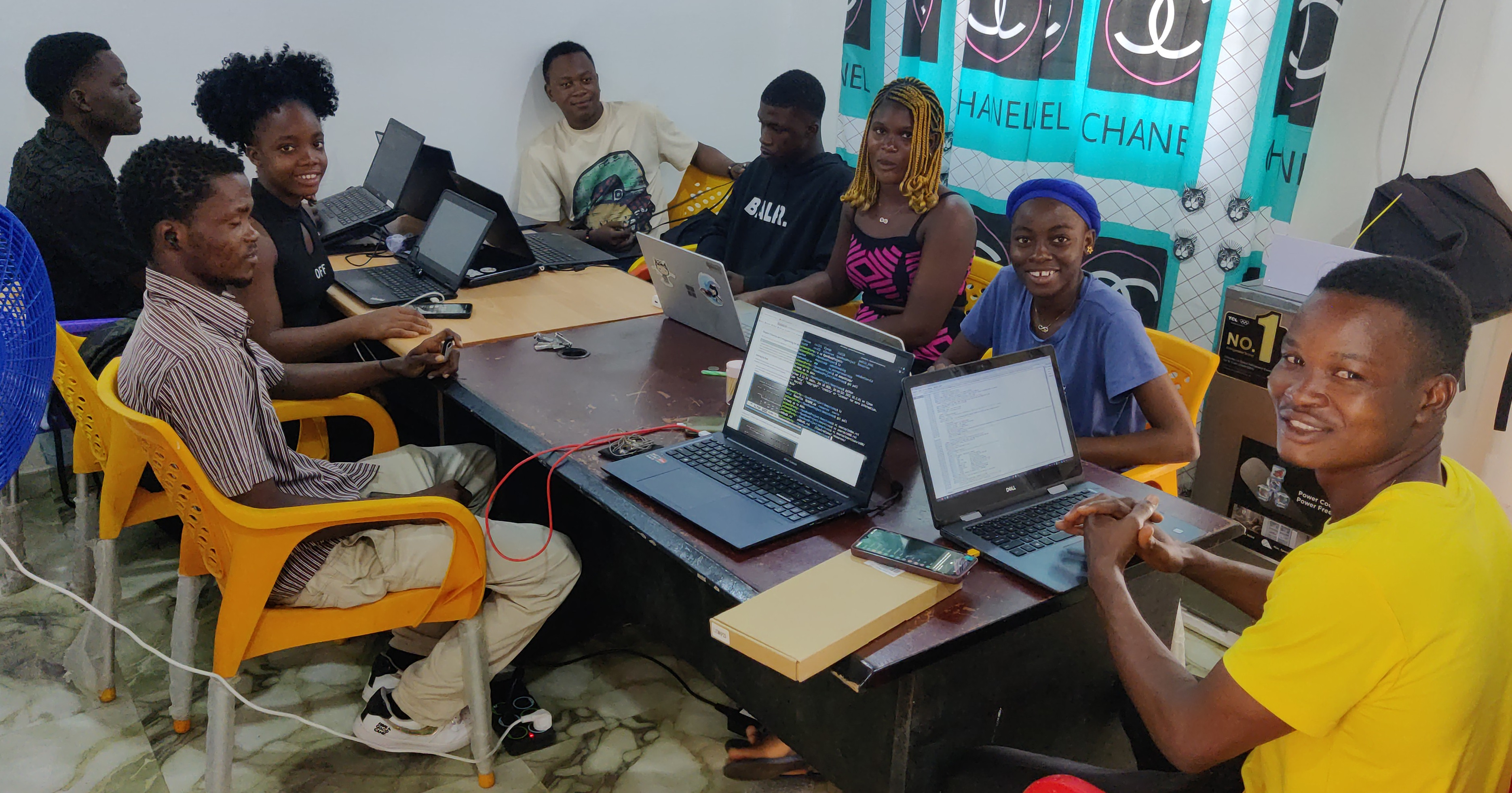
I can't begin to express how exciting it was to be invited to the Jetro Web Development business meeting yesterday. Ever since I "caught the worker co-op bug" back in 2012, it has been my dream to help build the solidarity economy by being involved in starting and supporting real worker controlled businesses.
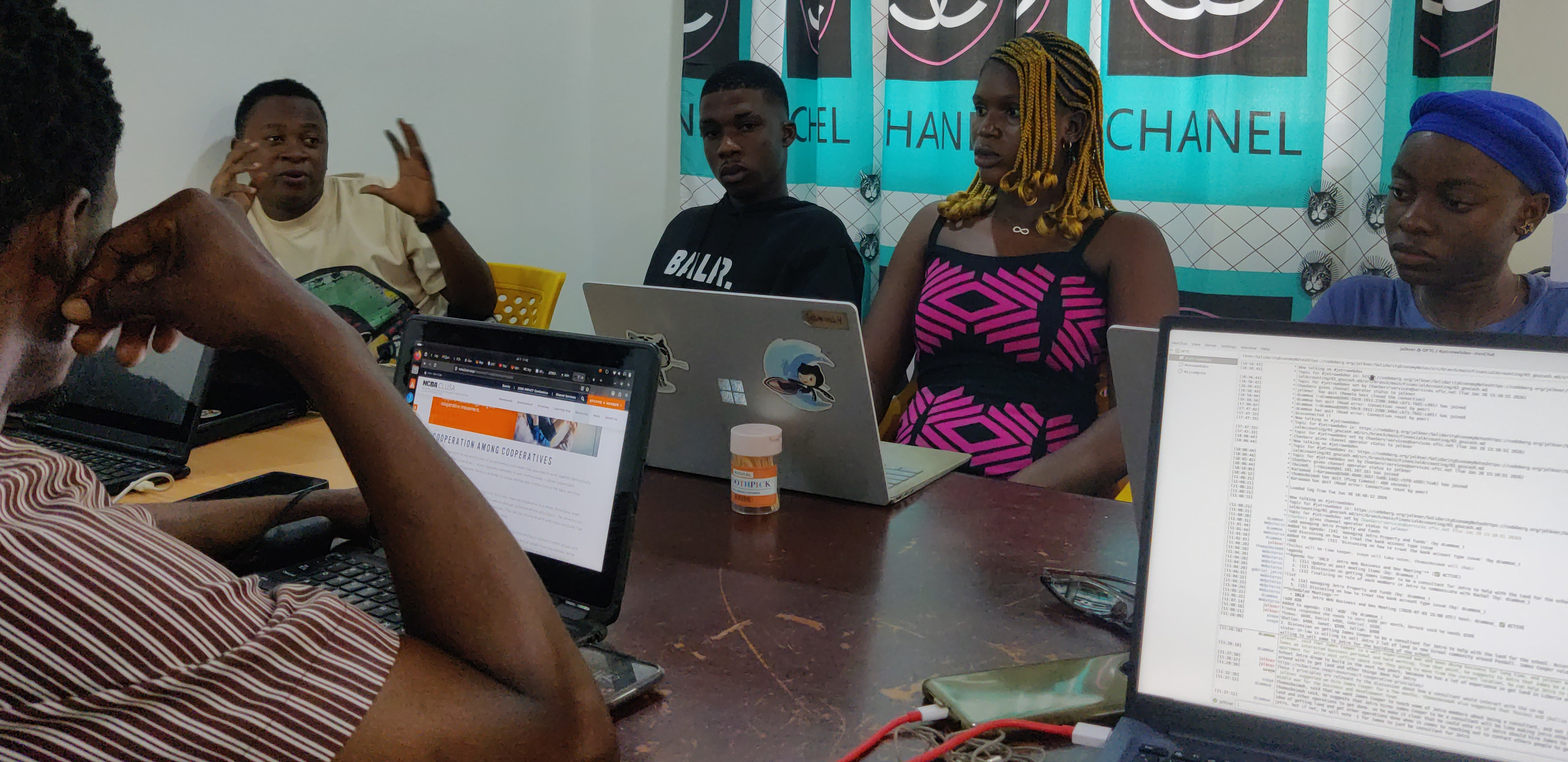
Jetro Web is the most "real" business I have had the pleasure of working with yet for two reasons. They have a core group of six members who have been working closely together for four years, developing a collaborative process together that was apparent at their meeting. With two recent additions, Jallah and Derek, they are also getting a chance to experience on-boarding new members for the first time (something we have had way too much experience with at NOVA Web Development, given our many "reboots").
And by having a physical office, they are dealing with issues such as rent, utilities and other resource allocation questions that the smaller, run from home co-ops with which I've been working back in Virginia have yet to confront. A large part of the discussion during the meeting dealt with these issues.
The concrete need to address material and economic issues will only grow going forward. If the school project becomes a reality, Jetro will find itself having to grow into an organization that can truly be a solidarity economy ecosystem builder.
I look forward to writing about this over the next few weeks and in the years ahead.
Electricity
Top among material needs is electricity. Reliable electricity is a crucial input to a web tech business, and the challenges Jetro faces in this regard are big. Electricity at the office cuts out about five times a day, at no particular times, so they need to have a backup source available. This is currently a diesel powered generator they purchased two years ago.
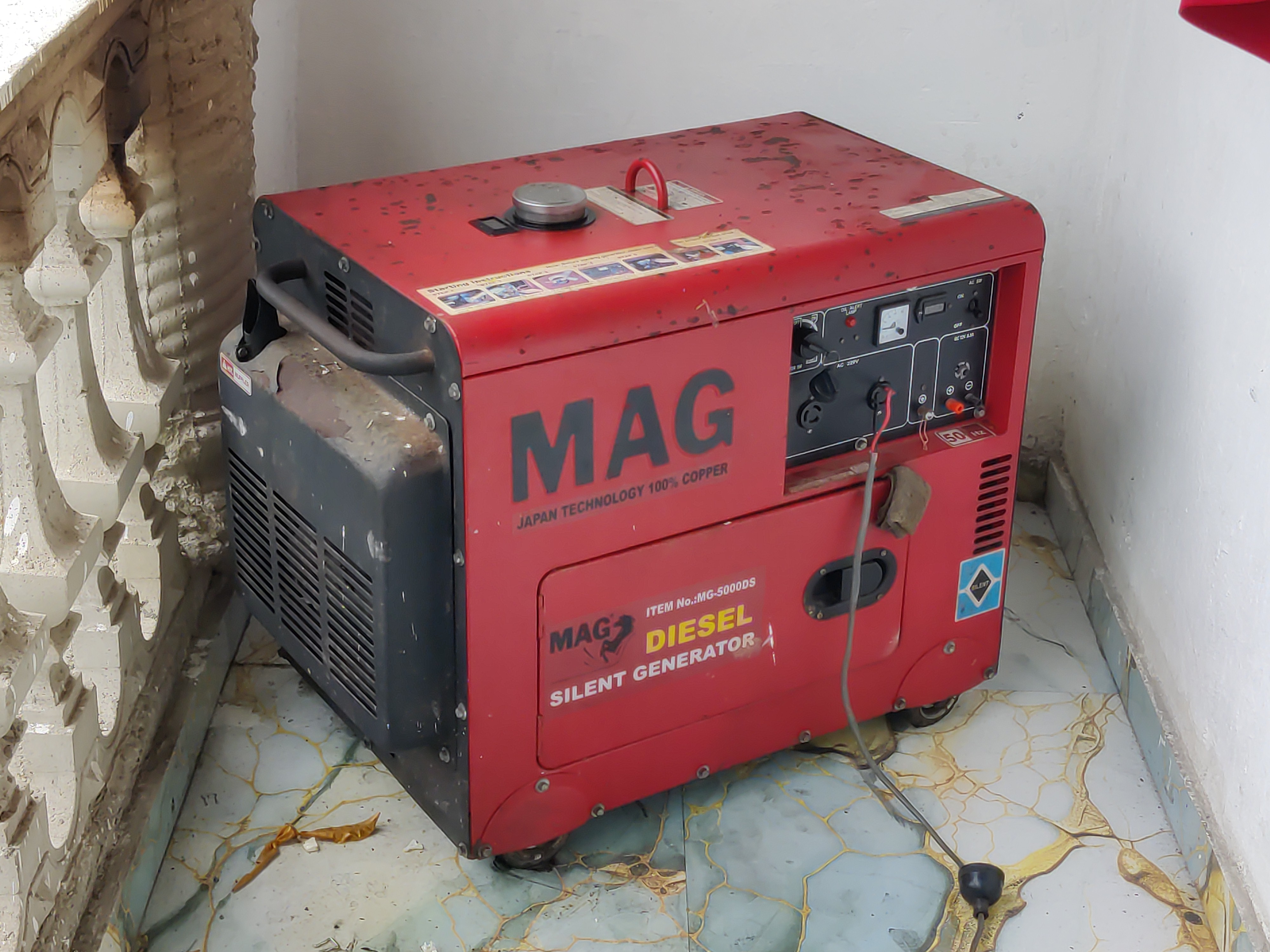
Hopefully this thing can be replaced by solar panels in the not too distant future.
Even with the backup generator, outages caused Jetro to drop from online communications every time the power went out. This is intolerable for the operation of a web tech business.
Last week we purchased a small UPS to power their Starlink equipment when the power goes out. Since our laptops have batteries already, we now have uninterrupted Internet between the time the power goes out and when the generator can be switched on.
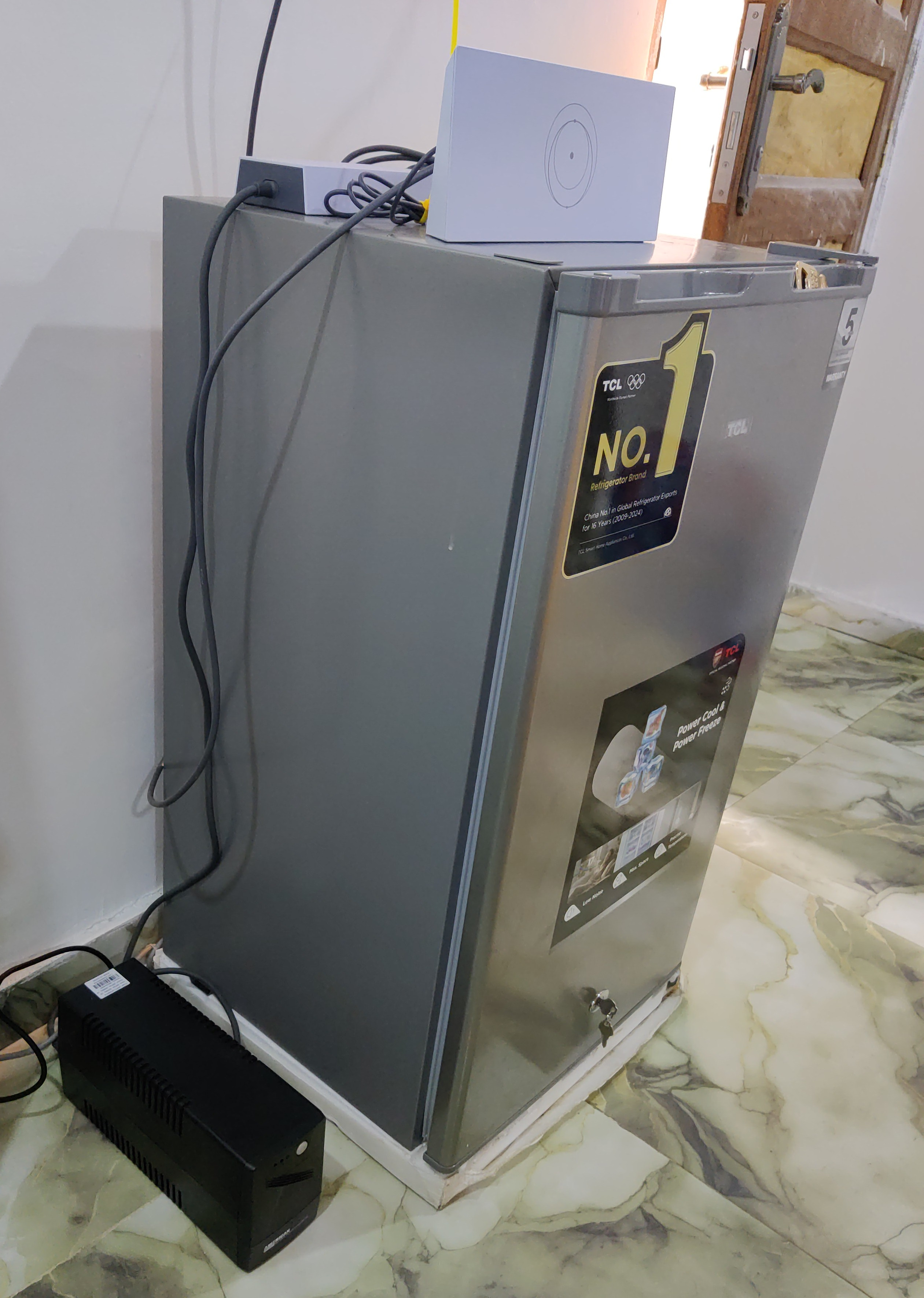
In sum, infrastructure continues to improve as the business prepares to launch.
My "Conversation" with DeepSeek about Liberian Land Law
I don't need to tell anyone that conversations and debates around the use of AI are raging everywhere. I feel deeply conflicted about both the promise and the threat it offers we humans. As the experience I'll share below confirms, it can increase productivity greatly. On the other hand, as I often tell my students these days when we discuss it in class, I'm old enough to have been their age when the electronic digital calculator came out. I remember assertions back then that we didn't need to make kids learn their times tables anymore. Several years later, when I became a math teacher, I experienced first hand the harm this did to students whose "intuition" about numbers was not developed. They couldn't reduce fractions or factor polynomials, and a pathway to the world of mathematics was permanently blocked for them. So even with AI, we humans are still going to have to actively train the "models in our brains" if we want to play an active role in shaping our world.
Tech oligarchs in the U.S. are pouring unbelievable resources into AI so they can develop a weapon for subjugation. Just as I have militantly resisted propitiatory software since I first joined the free software movement in 1993, I will only try AI that is not controlled by the tech oligarchs who want to enslave us. Since I don't want to be a slave, the only LLM with which I have personal experience is the free software DeepSeek (note: I just learned about Z.ai on a podcast two nights ago, so I'll be checking that out soon too).
So with all that context, what follows is an "experiment" I did yesterday with DeepSeek. In my last post I mentioned a delightful conversation I had with Dr. Kathryn Mulun. She emailed me this past Thursday with a document from the Agrarian Trust containing a table comparing various legal entities in the U.S. that can own land. I converted it into Markdown so I could save it in my solidarity economy git repo, here.
We are building a school in Liberia, not the U.S., so while this chart was helpful as background information to get us thinking about the different kinds of "legal persons" that can exist, we need to understand how things work here in Liberia. So I decided to ask DeepSeek, uploading the table Kathryn sent me (one of the things I like most about DeepSeek is that it speaks my language - Markdown ;-) and generating this exchange.
I'll leave it to those interested to look through the the full exchange if they wish, but I'll list the two biggest takeaways here:
- The Liberian Land Rights Law of 2018 indicates that questions of social ownership of land are much more advanced here than they are in the U.S., where bourgeois right is so deeply ingrained that most of us can't even begin to think outside it.
- There is a Senator Crayton O. Duncan who recently launched an Our Movement initiative that aligns closely with what we are trying to do with a solidarity economy school.
There is nothing here that I couldn't have found out with a bunch of web searching, but DeepSeek gave me in seconds what would have taken hours for me to search without it.
Following these leads, I did some traditional web searching and learned that Senator Duncan is from Sinoe County, which historically was established by former enslaved people from the state of Mississippi. Mississippi is home of Cooperation Jackson. I wonder if Senator Duncan is aware of Cooperation Jackson?
Addendum (2026-07-14): After speaking with someone from Sinoe County who was not especially impressed with the senator, saying he is a politician just trying to build his own personal power, not serve the people, I realize this is now a lesson in the limitations of large language models as well. They sure can search for patterns fast, but you best check their results carefully for missed context!
Time to Eat Bitter
The most urgent and immediate task for Jetro Web Development and its supporters is to find work for the co-op. Unless it can create a reliable revenue stream, its long term prospects don't exist, and all of its future promise will evaporate.
There is a Chinese expression that says "you have to eat bitter before you eat sweet." The willingness of the Chinese people to work hard and sacrifice in order to achieve long term gains in part explains China's rise from extreme poverty to the most powerful and productive economy in the world in less than half a century. A similar feat took Europeans almost half a millennium to achieve, and the Chinese did it without the theft of other people's land and labor that the Europeans used for their accent.
The business plan for Jetro Web Development is to leverage global labor arbitrage to provide web development services at low prices to customers primarily at first in the United States. The idea is that by doing this with a worker cooperative in the context of the solidarity economy, the super exploitation characteristic of globalization, which Chinese workers had to endure for decades in order to succeed, can be avoided.
Even without direct exploitation, however, Jetro members will need to offer high quality, dependable service at very affordable (for their U.S. customers) prices. It will be their dedication, discipline and sacrifice that will enable them to offer good service, which hopefully in turn leads to their success.
My experience being here with Jetro now has convinced me they are ready to go. Now I'm feeling the pressure to go out and find them work.